6 Mar 2026 • 12 min read
Loans for Low Credit Score
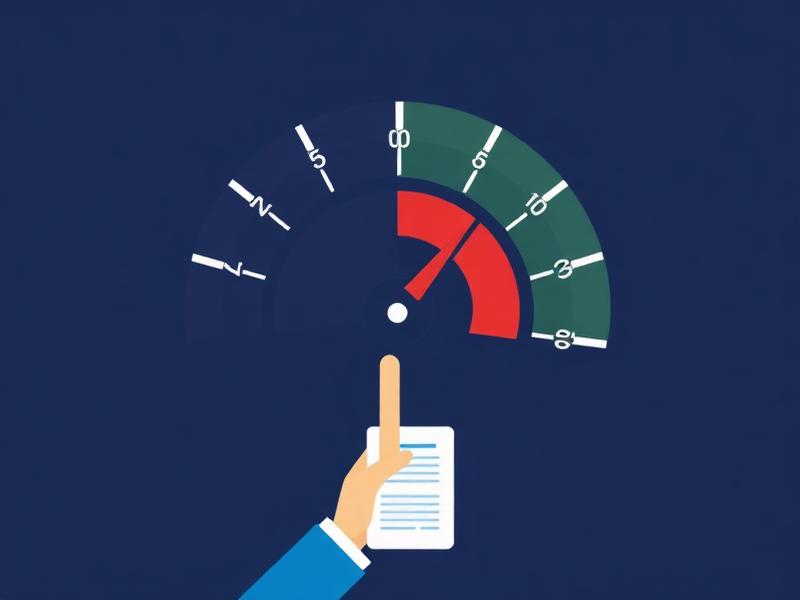
It is stressful when you face a medical emergency or need to stock your shop for Diwali, only to have the bank reject you due to a low credit score. However, for lenders, it is simply a matter of mathematics. Banks rely on a three-digit number (300-900) to measure trust. If your score is above 750, you are considered a prime candidate. If it falls below 600, traditional banks view you as "high risk". Fortunately, the Indian financial landscape has evolved. You no longer need to rely on local moneylenders charging sky-high rates. Legitimate options exist if you approach lenders strategically.
The Cricket Career Analogy: How Lenders View You
To understand why banks hesitate, think of your Credit Score like a batsman's average.
- The Virat Kohli (750+ Score): This player performs consistently. Selectors (Banks) trust him in any condition. He gets the best matches (Home Loans) and top sponsorship deals (lowest interest rates).
- The Out-of-Form Player (below 600 Score): This player is talented but having a bad season—perhaps they missed a few matches (EMIs). Selectors are hesitant. He must prove consistency through smaller secured loans first.
- The Debutant (-1 or 0 Score): This is the "New to Credit" (NTC) individual. They have never played a professional match. Banks don't know if they can bat, so they hesitate to offer big chances immediately.
Defining 'Low Credit'
- Score 300-600: This usually indicates defaulted payments or settled loans. This history is the hardest to fix because trust has been broken.
- Score -1 or 0: This isn't "bad"—it is simply nonexistent. This is common for students or first-time jobbers. You aren't risky; you are just untested.
5 Proven Ways to Get a Loan for Low Credit Score in 2026
If big banks like SBI or HDFC close the door, other doors open. Here are five legitimate strategies to secure funds even with a less-than-perfect history.
1. Gold Loans: The Tier-2/3 Champion
In many Indian households, gold is purchased specifically for "rainy days." A Gold Loan is a secured loan where you pledge jewelry for instant cash.
Why it works: Lenders do not care about your CIBIL score; their risk is covered by the value of the gold.
- The Benefit: Interest rates (8.8% to 16%) are significantly lower than personal loans for bad credit, which can go up to 36%.
- Speed: You can walk into a branch in your local market and leave with cash in under 30 minutes.
2. Fintech & NBFCs: Using 'Alternate Data'
Some fintech lenders evaluate alternate data such as bank inflows, utility payments, and digital transaction patterns instead of relying only on CIBIL.
- Who this is for: Gig workers, freelancers, or tech-savvy professionals with thin credit files.
- Caution: Always ensure the app is registered with the RBI before sharing data.
3. The 'Cash Salary' Strategy: Proving Income Without Payslips
This scenario is common in many tier-2 cities: You work at a hardware store or a garment shop and earn ₹25,000 in cash. Without a formal payslip, banks often reject the application.
- The Solution: Use your bank statement as your ledger.
- How to do it: Deposit your cash salary into your bank account on the same date every month (e.g., the 5th). Do this consistently for 6 months.
- AOB (Average Quarterly Balance): Lenders view this healthy balance and regular deposit pattern as "imputed income," acting as a proxy for a formal salary slip.
4. Co-Applicant Loans: Leveraging a Family Member
If your credit score is low, you can borrow the credibility of a family member with a strong financial profile.
- How it works: Apply for the loan jointly with a spouse or parent who has a 750+ score.
- The Logic: Lenders consider the household income rather than just individual risk. They feel safer because the high-score applicant is legally responsible for repayment.
- Risk: Be aware that defaulting on this loan will ruin their credit score as well as yours.
5. Peer-to-Peer (P2P) Lending: High Availability, Higher Risk
P2P platforms remove the bank from the equation, connecting individual investors directly with borrowers.
- The Mechanism: Multiple investors contribute small amounts to fund your specific loan request.
- Eligibility: P2P platforms often look at 40+ parameters, including education, social profile, and employment stability, not just your credit score.
- The Catch: Interest rates are generally high, and collection practices can be strict.
RBI Safety Shield 2026: Avoiding the 'Hafta Vasooli' Trap
The digital lending space has seen its share of predatory practices, but new RBI rules are designed to protect you.
- Check the KFS: Non-Negotiable. RBI mandates a Key Fact Statement (KFS) showing the APR and total cost of credit before you sign.
- Penal Charges vs. Penal Interest: Effective from the 2024-25 fiscal period, the RBI has banned "Penal Interest". Earlier, missed EMIs triggered penal interest that compounded debt. Now lenders can only charge a fixed penal fee, which cannot be compounded.
Identifying Illegal Apps: A Checklist
Avoid "Hafta Vasooli" (illegal recovery) agents by spotting these red flags:
- No KFS provided.
- Personal Account Transfer: Loans must come from a registered bank or NBFC account, never from an individual's personal savings account.
- Gallery Access: Legitimate apps may ask for SMS or Location permissions, but they will never ask for access to your photo gallery or contact list.
The 'Step-Up' Ladder: Moving to Prime Borrower
Step 1: The Secured Start
Start small to build trust. Look for "credit builder" cards or FD-backed credit cards. Alternatively, take a small loan against a Fixed Deposit (FD) or Gold.
Step 2: The Repayment Consistency
Pay every EMI on time for at least 6 months. Do not miss a single date. This positive behavior is reported to credit bureaus. After 6-12 months of on-time payments, your score improves and better rates become accessible. This is how you move from survival borrowing to prime lending.
How This Affects YOU
- More Options: You are not stuck paying 5% monthly interest (60% annually) to local moneylenders. You can access formal credit through Gold Loans or regulated Fintechs.
- Protects Dignity: Understanding the KFS and RBI rules ensures no recovery agent can harass you illegally. You become a borrower who knows their rights.
Hard Truths About Low Credit Loans
A loan for low credit score should be treated as a bridge solution, not a long-term borrowing strategy.
- The "Trust Tax": Because lenders don't trust you fully, they charge for the risk. You might pay 24% interest while a friend with a 780 score pays 11%. That is real money leaving your pocket.
- The Slippery Slope: Taking a high-interest loan to pay off another loan is the fastest way to financial ruin. Only borrow for income generation (like shop stock) or genuine medical emergencies. Never borrow at 30% interest to buy a phone.
- Rejection Happens: If you get rejected, stop applying immediately. Every rejection lowers your score further. Pause, stabilize your finances, and try the "Step-Up" approach instead.
How to Apply for a Loan for Low Credit Score
- Check your latest credit score before applying so you know your category (below 600 vs -1/NTC).
- Shortlist RBI-registered NBFCs or banks only. Avoid unknown instant apps.
- Request the Key Fact Statement (KFS) and compare APR, not just interest rate.
- Apply to only 1-2 lenders at a time to avoid multiple hard inquiries.
- Start small. Taking a smaller secured loan improves approval chances and helps rebuild your score.
Frequently Asked Questions (FAQs)
What happens to my gold if I can't pay the loan?
If you fail to repay after repeated notices, the lender has the legal right to auction your gold to recover the dues. However, they are required to give you ample notice before doing so, and any surplus amount generated from the auction must be returned to you.
Does checking my score on Google Pay or other apps hurt my CIBIL?
No. Checking your own score on apps like Google Pay or Paytm is considered a "Soft Inquiry" and has zero impact on your score. However, if you apply for multiple loans in a short span, banks perform "Hard Inquiries," which can lower your score.
Can I get a loan with a score of -1 or 0?
Yes. A score of -1 or 0 simply means you are "New to Credit." Many Fintech lenders and consumer durable finance companies specifically cater to first-time borrowers to help them build a credit history.
What should I do if a loan app harasses me?
First, ensure the app is legal by checking for a KFS. If they harass you, file a complaint on the RBI's Sachet portal immediately. Legitimate lenders are bound by strict fair practice codes and cannot use abusive recovery tactics.